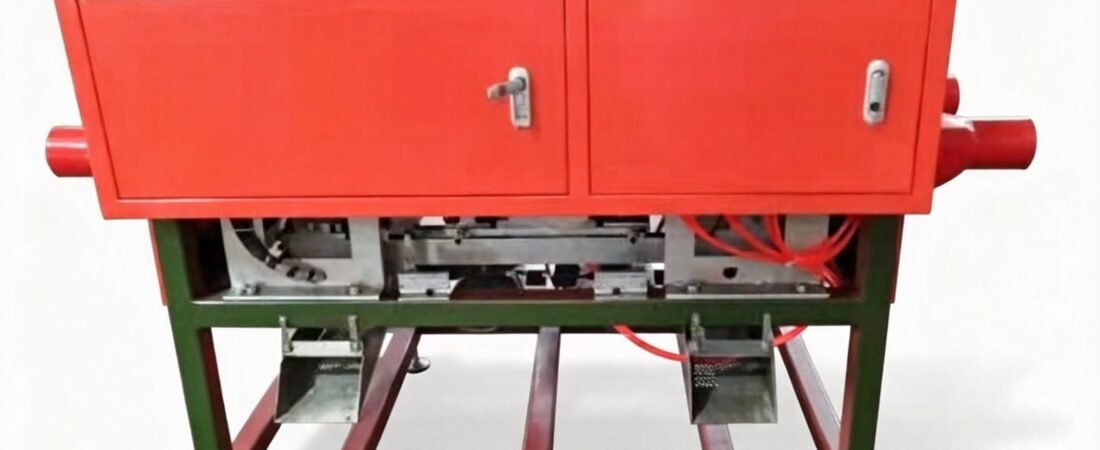
Whole kernel rate is the only macadamia number that turns processing quality into money, and it is also the number most operations measure badly. A rate calculated from a handful of nuts scooped off the top of a bin, or counted rather than weighed, will move by ten points without anything changing on the line — which makes it useless for decisions. This guide covers the definition, a measurement protocol you can run in thirty minutes per batch, realistic benchmarks, and the improvement order that actually moves the number.
Last updated: 15 September 2026
The short answer
- Whole kernel rate (WKR) is the weight of intact kernels divided by the total weight of kernel in the batch, expressed as a percentage. Weigh it, do not count it.
- Measure per batch, from the full kernel output, with a consistent definition of “whole”. A 30-minute protocol at the end of a shift beats a perfect test you never repeat.
- Commercial reality is roughly 75–90% whole kernel. Above 90% on in-shell macadamia is genuinely good; below 70% means something upstream is costing you money.
- Every percentage point is worth real weight. On a 5 t/day line at 30% kernel recovery, one point is 15 kg of kernel per day, about 900 kg across a 60-day season.
- Fix moisture first, then the cracker, then handling, then sorting. Changing two things at once makes the result unattributable, even when it improves.
Three numbers that get confused — and why it matters
Most arguments about macadamia quality come from two people using one word for three different figures. Before measuring anything, fix the vocabulary:
Whole kernel rate (WKR). The weight of kernels that came through unbroken, divided by the total weight of kernel produced in that batch. This is a quality number: it says how gently you treated the nut. A batch can have a high kernel recovery and a poor whole kernel rate — you extracted plenty of kernel and broke a lot of it.
Kernel recovery (KR). The weight of kernel divided by the weight of nut in shell that went into the cracker. This is a yield number, driven by variety, growing conditions and how well the batch was dried. Typically around 25–35% for macadamia.
Crack-out. An informal term that gets used for both of the above. When a supplier, a buyer or a consultant quotes a crack-out figure, the useful reply is a question: is that kernel out of nut in shell, or whole kernel out of total kernel? The two can differ by twenty points on the same batch.
Why the pedantry pays: the fixes are completely different. A low WKR is a handling and setting problem, and you can act on it this week. A low KR is a crop and drying problem, and most of it was determined before the nuts ever reached your shed. If you have been treating a broken-kernel problem as though it were a yield problem, you have been looking in the wrong place.
One more definition worth settling: “whole” means no visible break. Not “mostly intact”, not “one clean crack”. Whatever definition you choose, apply it consistently batch after batch — an inconsistent definition is worse than no measurement at all, because it silently destroys your trend line.
The 30-minute measurement protocol
| Step | Action | Why it matters |
|---|---|---|
| 1 | Define the batch. One run, one lot, one shift — whatever unit you will be able to reproduce next week | A number without a defined batch cannot be compared to anything |
| 2 | Capture the full kernel output. Every kernel that left the cracker and the separator for that batch, before any grading | Sampling only part of the stream is the single most common source of false readings |
| 3 | Weigh the total kernel. A platform scale is enough; record it to the nearest tenth of a kilogram | This is the denominator, and it has to be a real measurement |
| 4 | Hand-sort whole from broken. Two trays, a fixed definition of “whole”, and the same person doing it where possible | Consistency between batches matters more than speed or precision |
| 5 | Weigh the whole kernels. Whole weight ÷ total weight × 100 = WKR | This is the number you manage |
| 6 | Record it with the conditions. Date, tonnage, moisture reading, cracker setting, operator, WKR | A WKR figure without the conditions attached cannot be diagnosed |
Do this once per batch for a fortnight and you will learn more about your line than a season of visual impressions. The reason most operations cannot explain a bad week is not that the data is hard to get — it is that nobody writes it down.
What one point is worth
Put the arithmetic on the table, because this is the argument that funds changes on the line.
Take 5,000 kg of nut in shell per day at 30% kernel recovery: about 1,500 kg of kernel per day. One percentage point of whole kernel rate is 15 kg per day. Over a 60-day season that is roughly 900 kg.
The price gap between whole kernel and broken kernel is the whole point of the exercise — buyers pay a premium for whole, and pieces are discounted accordingly. So the season cost of a one-point loss is 900 kg multiplied by that gap, and the cost of a five-point loss is five times that. Set against those figures, almost any change that recovers a point or two pays for itself quickly: better drying control, a second cracker setting trial, gentler transfer points, or simply measuring often enough to catch drift.
Benchmarks: what your number is telling you
| WKR | What it usually means | Where to look first |
|---|---|---|
| Above 90% | Strong performance for in-shell macadamia | Confirm your definition of “whole” is not doing the work for you |
| 85–90% | Well-run line with controlled moisture and a settled cracker setting | Hold it there: measure weekly and watch for drift |
| 75–85% | Typical commercial range; a point or two is usually recoverable quickly | Moisture uniformity, then cracker clearance |
| 65–75% | Meaningful loss, almost always multi-factor | Full audit: drying, cracking settings, transfer heights |
| Below 65% | Structural problem somewhere in the line | Stop optimising and diagnose — see the ladder below |
Two cautions on reading these bands. First, they describe in-shell macadamia cracked on a mechanical line; operations cracking at low moisture with hand-sorting in the loop can legitimately sit higher, and very wet or very dry batches will sit lower no matter how good the machine is. Second, a single batch proves nothing. The number to manage is the rolling average over your last five to ten batches; individual batches are for troubleshooting, averages are for judging.
The improvement ladder: fix in this order
Every one of these levers works, which is exactly why doing them all at once wastes your time. Work top to bottom, change one variable, then run the batch and re-measure with the same protocol.
- 1. Nut in shell moisture — the largest single lever. Crack at the wrong moisture and no setting will save you: too wet and the kernel clings to the shell wall, too dry and it shatters rather than releases. This is covered in detail in nut in shell moisture content: the 1.5% target, including the two-stage drying schedule and how to measure it properly.
- 2. Cracker clearance and speed, set per batch. A cracker that was perfect on last week’s batch can tear this week’s if the moisture has moved. The seven specs that decide cracker behaviour explains which adjustments do what.
- 3. Harvest and dehusking discipline. Shell that arrives at the cracker already dented concentrates force and tears kernel. Green husk peeling: timing, loss rates and settings covers the 24-hour window and the two-pass method that keeps shell intact.
- 4. Transfer and drop heights after cracking. Once kernel is free of the shell it is unprotected, and every vertical drop is a chance to break it. Audit your transfers with the same attention you give the cracker.
- 5. Sort early and separate the streams. Removing broken kernel quickly stops it being re-handled, re-dropped and further damaged. Consider it a conservation measure, not just a grading step.
- 6. Re-measure, then decide. One change, one batch, one new WKR reading. If the number moved, keep the change and move down the list. If it did not, revert it — an unexplained change kept in the process will cost you clarity later.
The reason for the ladder’s order is simple: moisture determines whether the other five levers can work at all. A well-set cracker on a badly dried batch will still break kernel, and then you will blame the machine.
Why a supplier’s “whole kernel rate” claim tells you almost nothing
Claims of 95% or higher are common in machine specifications, and most of them are not dishonest — they are just unqualified. A figure like that can come from a single-nut bench test, from a batch dried to ideal moisture, from a sample that had already been graded, or from a count rather than a weight. None of it predicts what you will see on your nuts, in your building, at your moisture.
When comparing machines or suppliers, ask these four questions before the number means anything:
- At what nut in shell moisture was it measured, and who measured it?
- By weight or by count? Counting pieces flatters the result, because broken kernel weighs more than its share.
- On what input? Variety, size grade and condition of the crop change everything.
- Over how many tonnes, and with what definition of whole? A five-minute trial and a full-day run are different claims.
A supplier who can answer all four is describing a process. One who cannot is quoting a brochure — and either way, the number you should trust is the one you measure on your own line, using the protocol above, before and after each change you make.
A batch record sheet you can start using today
Copy this into a spreadsheet and fill one row per batch. Six columns is enough; a form nobody fills in is worse than no form.
| Date | Batch / tonnage | NIS moisture % | Cracker setting | Kernel weight | Whole kernel weight | WKR % | Action taken |
|---|---|---|---|---|---|---|---|
| 12 Sep | Lot 4 / 2.1 t | 1.6 | Gap A, speed 2 | 604 kg | 528 kg | 87.4 | Held |
| 13 Sep | Lot 5 / 2.4 t | 2.3 | Gap A, speed 2 | 682 kg | 561 kg | 82.3 | Drying time extended |
| 14 Sep | Lot 5 / 2.4 t | 1.5 | Gap A, speed 2 | 690 kg | 611 kg | 88.6 | Kept |
The pattern in those three rows is the whole method in miniature: moisture moved, WKR followed it, one variable changed, the result confirmed. No machine was touched and the recovered value came from drying.
Frequently asked questions
What is a good whole kernel rate for macadamia?
For mechanically cracked in-shell macadamia, 85–90% is strong and above 90% is very good. The commercial range is roughly 75–90%, so a figure in the low eighties is not a failure — it is an opportunity, and usually a recoverable one. Judge yourself on a rolling average over five to ten batches rather than on any single run, and make sure your definition of “whole” has not quietly loosened since you started measuring.
How do you calculate whole kernel rate?
Weigh the total kernel produced in a defined batch, hand-sort it into whole and broken using one consistent definition, weigh the whole kernels, and divide: whole kernel weight ÷ total kernel weight × 100. Weighing rather than counting matters because a broken piece can weigh most of a whole kernel, so counts flatter the result and make your trend line lie to you.
Is whole kernel rate the same as kernel recovery?
No, and mixing them up changes the decision you make. Whole kernel rate is a quality measure — how much of your kernel survived unbroken. Kernel recovery is a yield measure — how much kernel came out of the nut in shell. A batch can recover a high proportion of kernel and still break much of it, and the fixes for the two problems live in completely different parts of the line.
Does moisture or cracker setting matter more for whole kernel rate?
Moisture, by a wide margin. Setting adjustments move the number by a point or two once moisture is right; the wrong moisture moves it by five or more, and no amount of tinkering at the cracker compensates. That is why the improvement ladder starts with drying and only moves to clearance and speed once the batch is consistently landing near 1.5% nut in shell moisture.
Can whole kernel rate be improved after cracking?
The kernel that came out broken stays broken, so WKR itself is decided at the cracker and upstream of it. What you can do after cracking is stop the damage from spreading: separate broken kernel from whole promptly and don’t re-handle it, because each additional pass through a transfer or a sorter chips more off the whole kernels in the stream. Protect the whole grade from here on and fix the cause next batch.
Tell us your current WKR reading, your nut in shell moisture and the machine you are cracking on, and we will help you work out which step of the ladder is costing you the most — or ask for a quote on a macadamia cracking or shelling line matched to your batch size.
Related reading and machines
- How to improve macadamia kernel recovery
- Nut in shell moisture content: the 1.5% target
- How to choose a macadamia cracking machine
- Green husk peeling: timing, loss rates and settings
- Macadamia opening machines (cracking)
- Macadamia shelling machines
- Macadamia nut opening machine – industrial NS-X322
- Macadamia processing line layout: harvest to packed kernel
- Shelling vs Opening Machines: Which One Do You Need?
- Cashew shelling machine: reading the numbers before you buy
- Sorting kernels: manual vs machine grading
- Cashew steam cooking and shelling
- Cashew kernel peeling without breakage